
Venues
Insurance for breweries and distilleries
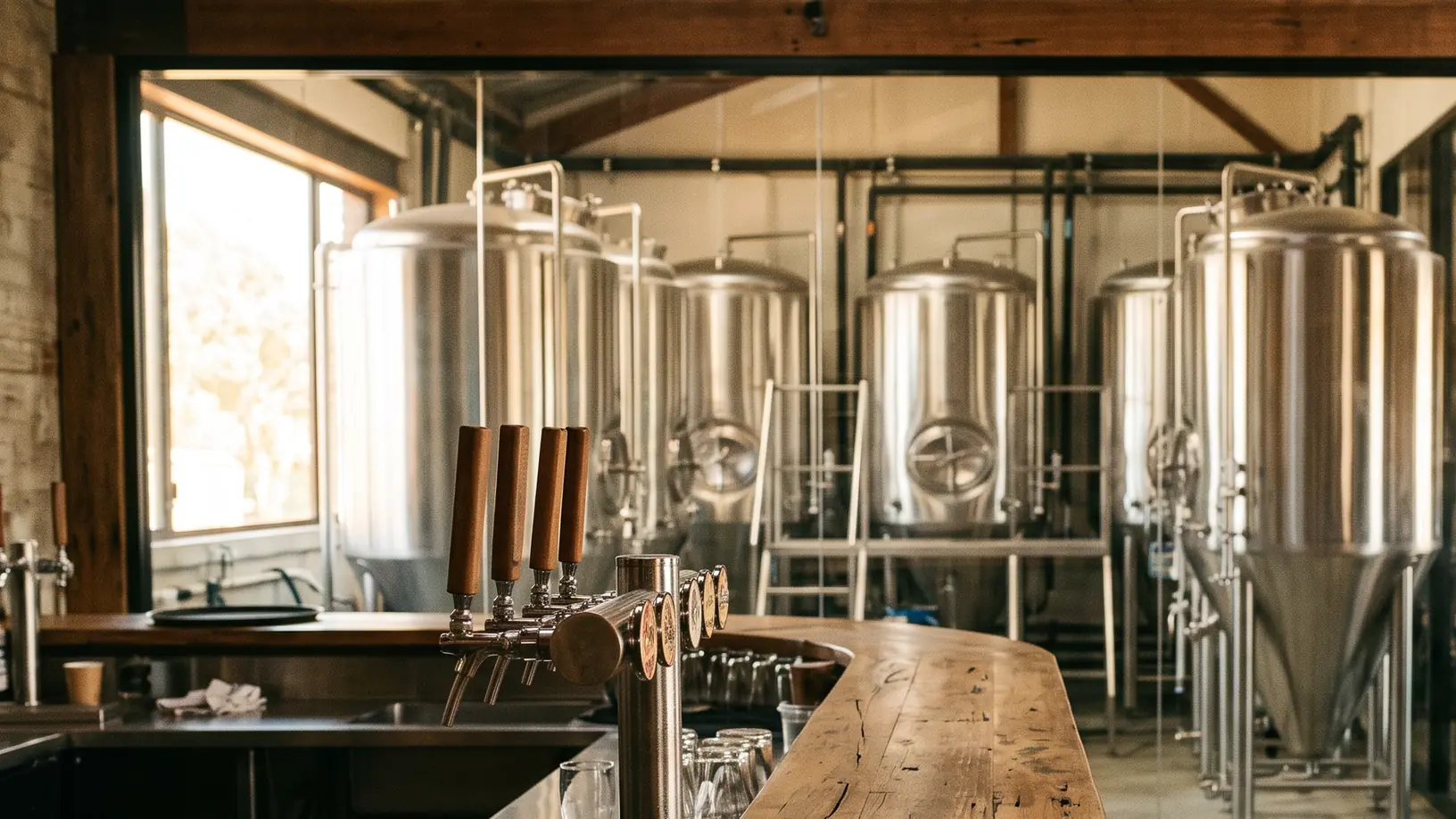
Brewery and distillery insurance can cover the gear that makes your drinks, the kegs and bottles you've filled, and the taproom bar.
01
The federal licence to make it
To brew or distil in Australia, you need an excise manufacturer licence, which the Australian Taxation Office (ATO) issues. Excise is a national tax on certain locally made goods, such as beer, spirits and fuel. That licence also lets you keep your finished drinks at the premises the ATO has licensed.
Brewers and distillers can claim back all the excise they pay, up to a yearly limit. Ask the ATO for the current figure.
02
State licences to sell your drinks
These four states each give producers a liquor licence, with different conditions.
- 1
New South Wales
Brewers and distillers hold a producer/wholesaler licence and must make their drinks on their own licensed premises. A microbrewery or small distillery can apply for an authorisation to sell its own drinks on site in full serves. That means a whole glass rather than just a tasting.
- 2
Victoria
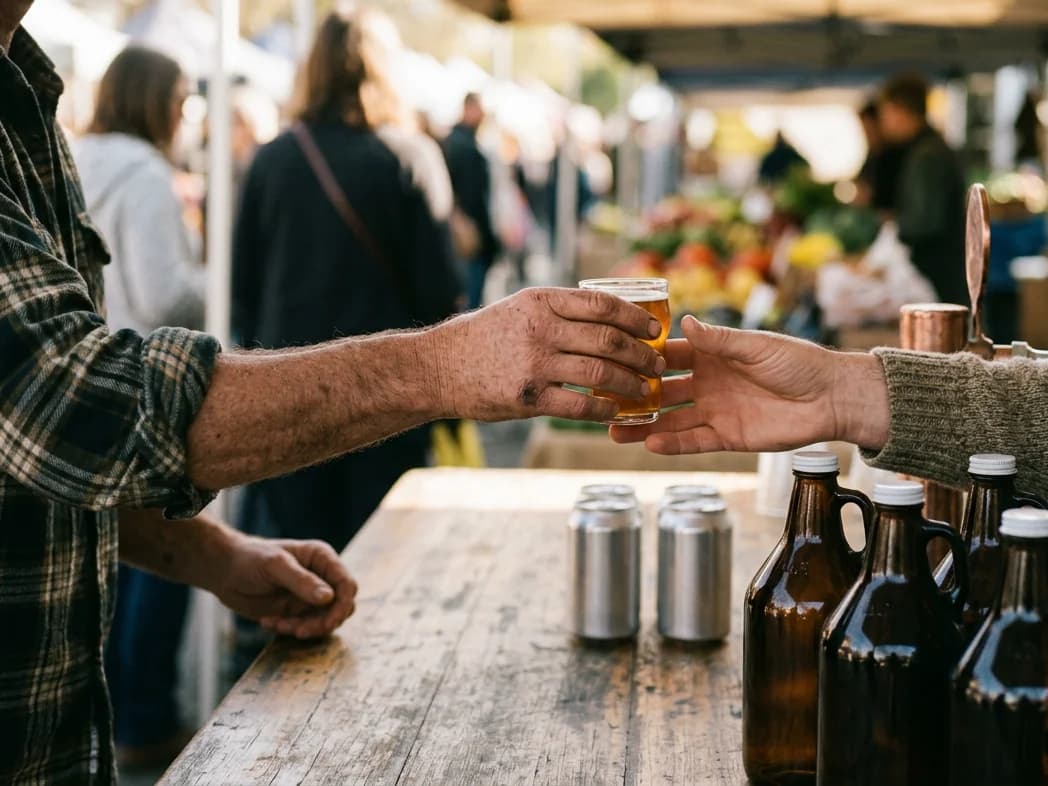
The producer's licence covers beer, cider and spirits, and allows sales at events such as farmers' markets and festivals.
- 3
Queensland
Producers that qualify as craft brewers or artisan distilleries can get approval to sell their own drinks at promotional events. Takeaway is capped at 9 litres of beer or 1.5 litres of spirits a person.
- 4
Western Australia
A distiller approved to make and sell spirits can now also sell ready-to-drink cans and bottles made from its own spirits.
03
Heat, pressure and ethanol
Queensland's and Victoria's workplace safety regulators have published rules and guidance on these risks. If you trade in another state, ask its workplace safety regulator about your brewhouse or still.
- 1
Pressure vessels in Queensland
Boilers and pressure vessels, meaning tanks that hold gas or liquid under pressure, must be registered if rated hazard level A, B or C. Registration is with Workplace Health and Safety Queensland, and the rating comes from the Australian Standard for pressure equipment, AS 4343. Some are exempt, such as vessels made in a production run.
- 2
Ethanol vapour in Victoria
WorkSafe Victoria's winery guidance warns that ethanol vapour can catch fire. It asks for electrical gear suited to hazardous areas, meaning spots where vapour in the air could explode, wherever spirits are stored and handled. No welding or grinding should happen on or near an ethanol tank until it has been cleaned and certified.
- 3
A still explosion in Victoria
In 2024, a winery and gin distiller was fined $50,000 after a still exploded during a "distiller for a day" session. Two workers and six customers were hurt.
04
Insuring the taproom, tanks and stills
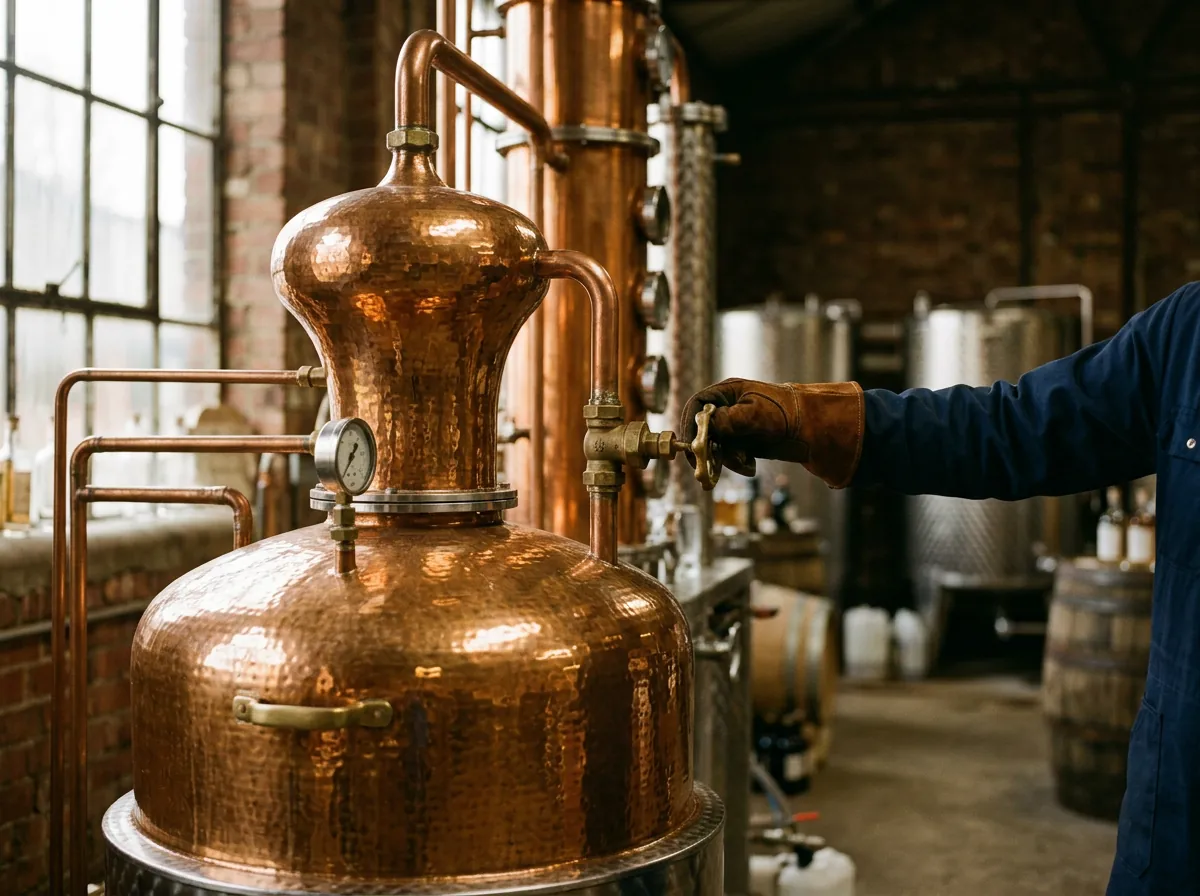
Public liability, if a visitor on a brewery tour is scalded by hot wort and says you were careless. Wort is the sugary liquid boiled to make beer.
The drinks you make
Products liability, if a bottle or can you filled bursts after it's sold, cutting someone or damaging their fridge.
Machinery breakdown, for repairing or replacing a pump, chiller, canning line or still when it breaks down.
Tanks, barrels and packaged stock
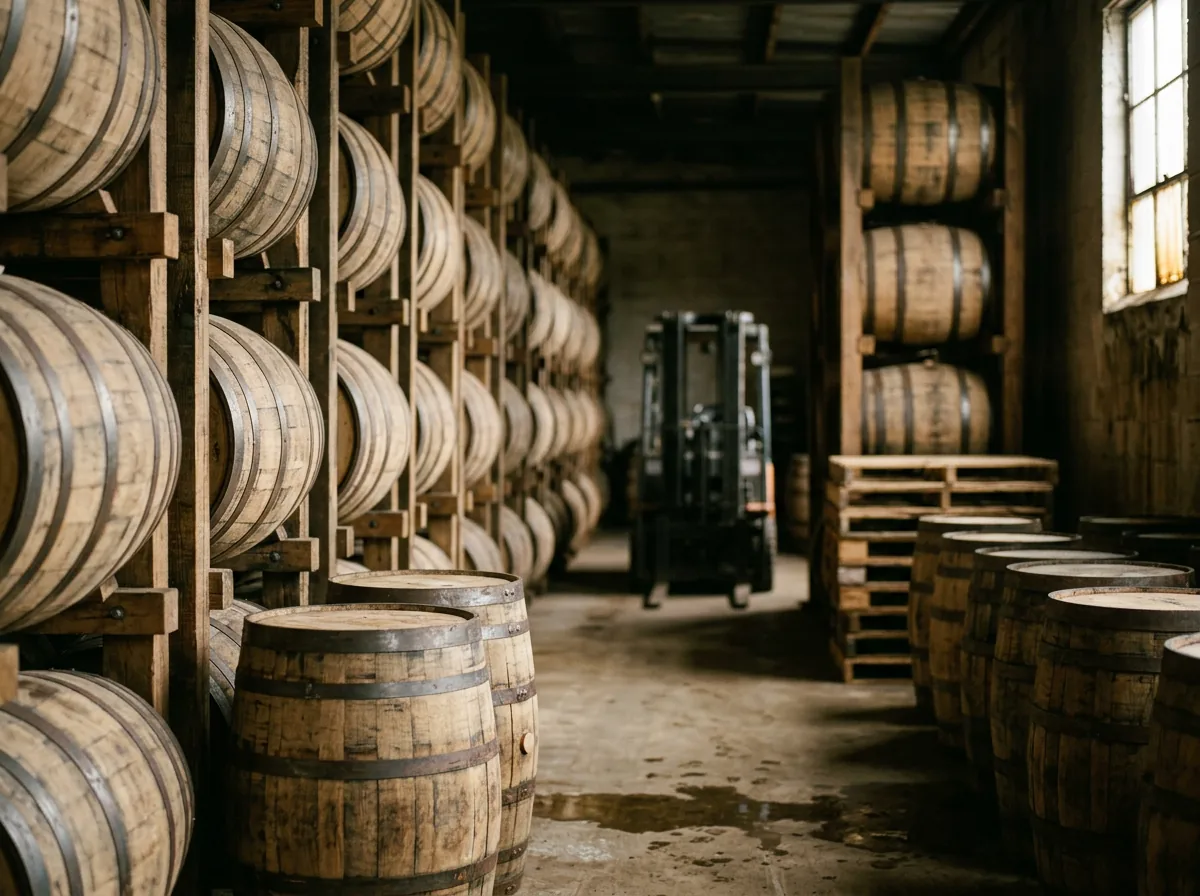
Building, contents and stock cover, which can include premises you own, taproom furniture, and kegs and cartons ready to sell. Your broker confirms with each insurer how it covers your tanks and barrels, and whether beer still fermenting or spirits ageing count as stock.
Business interruption, toward the income you'd have made, plus some ongoing bills, while fire damage has the site shut.
Brewers and distillers ask
Yes. List each market, show and festival you go to, roughly how often, and whether you pour drinks there or sell bottles to take home.
Brewery, distillery or cellar door, whether or not you run a taproom.