


Venues
Insurance for winery cellar doors
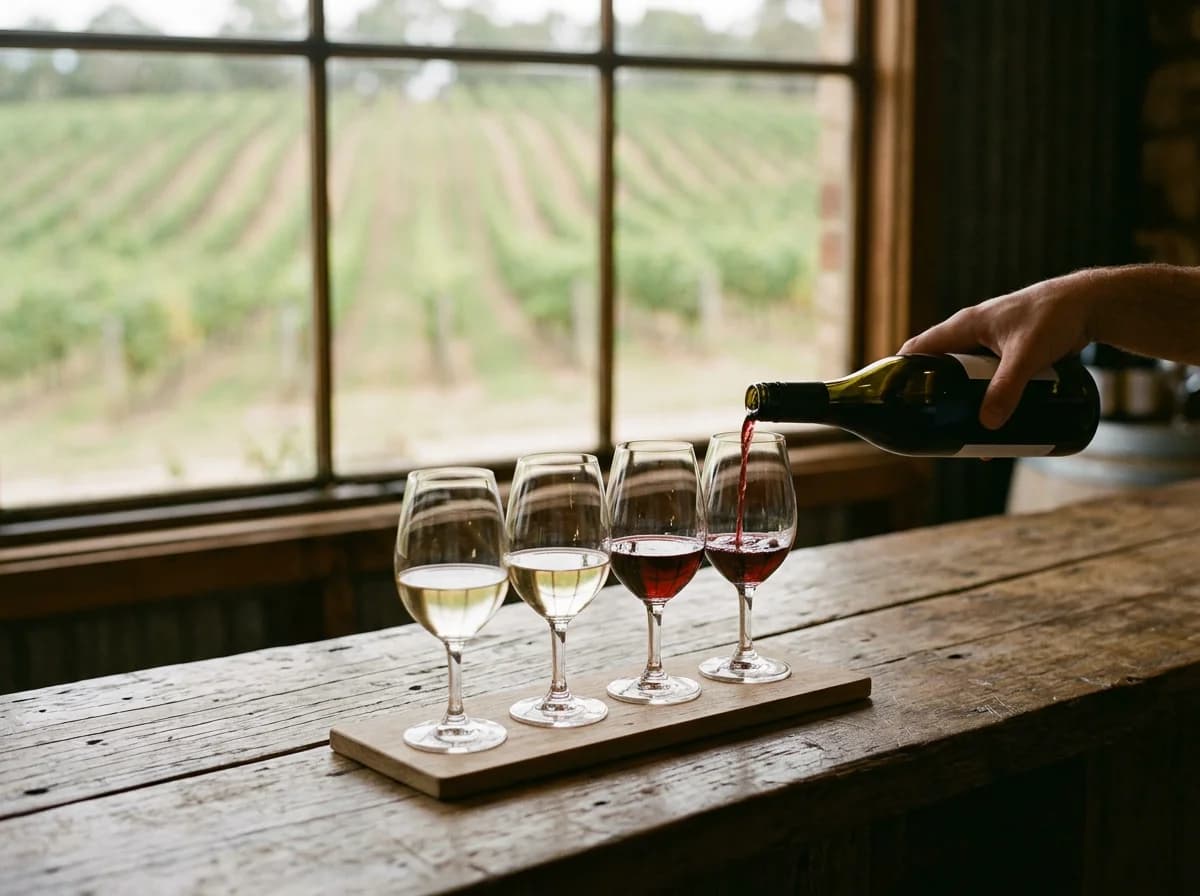
Our brokers get winery cellar doors quoted for guest injuries, bottled stock and the press and pumps behind the tasting room, anywhere in Australia.
01
Wine tax at the cellar door
Wine equalisation tax (WET) is 29% of the wholesale value of wine. You can owe it on bottles sold or glasses poured at the cellar door too, where the wine never went through a wholesale sale.
Wine producers who qualify can get a WET producer rebate, up to a cap each financial year. Your accountant or the Australian Taxation Office can confirm whether you qualify and the cap that applies now.
02
The licence behind your cellar door
Your state issues the licence a winery sells under, and these five set different conditions.
- 1
New South Wales
A winery's producer/wholesaler licence allows tastings, and selling at liquor industry shows and at farmers' markets or fairs. Selling online or from the winery has to be allowed by its development consent, which is its planning approval. Owning a vineyard within 500 metres of your licensed premises still makes you a producer when a contract winemaker makes your wine.
- 2
Victoria
A producer's licence lets you sell wine you've made for people to drink at the winery or take home.
- 3
Queensland
Selling at a second site, called a satellite cellar door, needs its own approval. Companies, partnerships and wineries selling from two or more sites need a wine nominee. That's the person responsible for selling wine there within the licence conditions and liquor law.
- 4
South Australia
The liquor production and sales licence comes in three classes, and each can be approved for a cellar door, an add-on called a sub-class. Only classes 2 and 3 let visitors drink a full glass on site, and a class 1 cellar door is limited to tastings and takeaway.
- 5
Western Australia
Under a producer's licence you can sell your own wine as tastings or by the glass, for takeaway, and online.
03
Welding near wine tanks
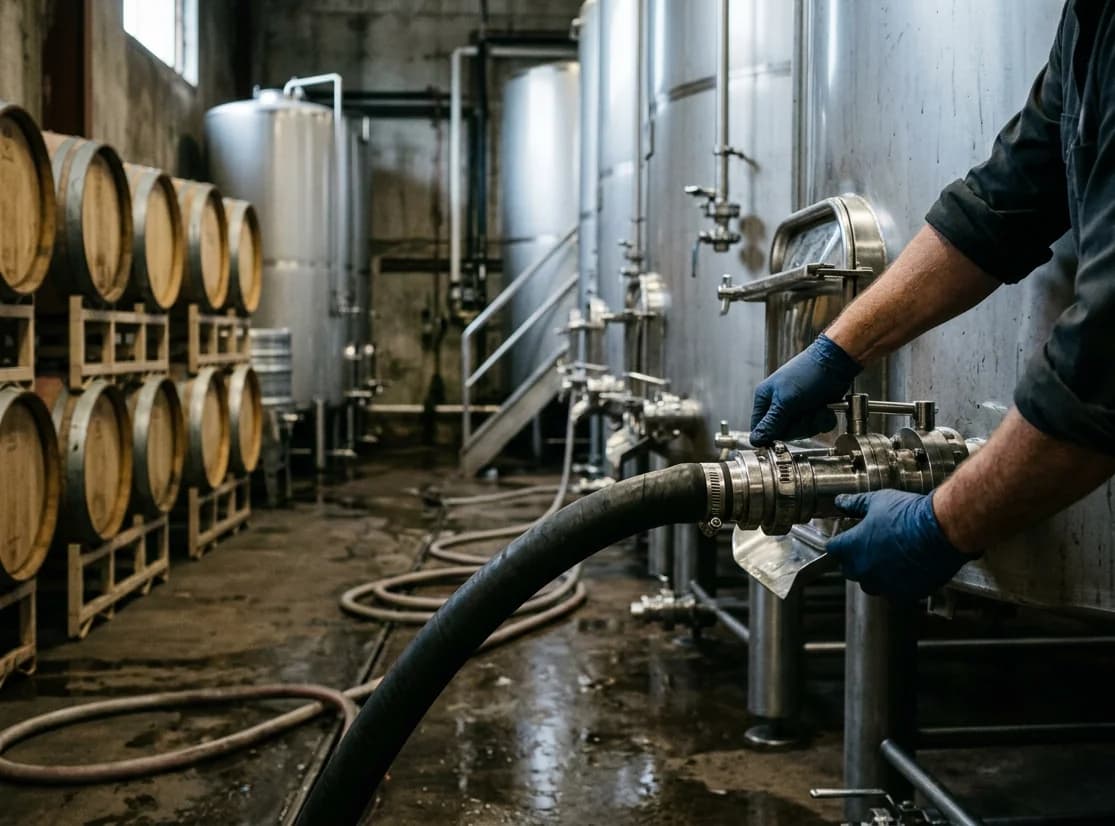
WorkSafe Victoria says the spirit used to fortify wine gives off vapour that hot work can set alight. That means welding, grinding and similar jobs that create heat. Its guidance says to avoid hot work on or near any tank that holds or held wine or grape spirit until it's cleaned and certified.
04
Insuring the tasting room, wine and winery gear
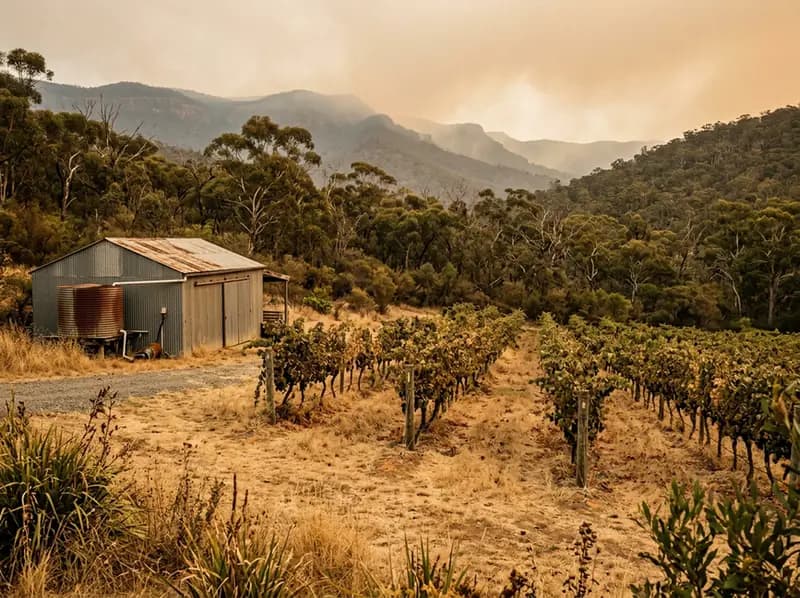
Public liability, if a guest on a vineyard tour trips in a rut between the vines and blames the winery.
Wine in tank, barrel and bottle
Cases of finished wine, plus the tasting room's fit-out, can go under building, contents and stock insurance. We confirm with each quote how the barrels and tanks are insured, and whether the wine still in them is treated as stock.
Press, pumps and refrigeration
Machinery breakdown, to get a press, pump or refrigeration unit fixed if it breaks down at harvest.
Theft, money and glass cover, if burglars empty the till overnight, or a vandal breaks a tasting room window.
Business interruption, if fire damage forces the cellar door to close, for the sales you miss and some fixed costs.
Winemakers ask
Yes. Tell them roughly how your sales split between the cellar door, online orders and markets, and which markets you attend.
Yes. Your broker needs both addresses, what happens at each, and roughly how much wine is kept at the town site.